BEST & Perfectly Roasted Low-FODMAP Vegetables EVER !
Enjoy delicious, gut-friendly roasted vegetables! Our easy Low-FODMAP recipe transforms simple veggies into a flavorful side dish that’s gentle on your stomach.
Are you looking for a simple, flavorful side dish that’s both nutritious and kind to your digestive system? Look no further! Today, we’re diving into the wonderful world of Low-FODMAP Roasted Vegetables. Roasting is a magical cooking method that brings out the natural sweetness and depth of flavor in vegetables, transforming them into something truly special.
This recipe is incredibly easy to customize with your favorite low-FODMAP veggies and is the perfect accompaniment to just about any main course, from grilled chicken or fish to hearty lentil dishes. Get ready to fill your kitchen with the irresistible aroma of subtly caramelized goodness!
What Are Low-FODMAP ROASTED Vegetables?
FODMAPs are short-chain carbs that can cause bloating, gas, or discomfort for people with IBS or sensitive guts. Low-FODMAP vegetables are easy to digest and won’t upset your stomach.
✅ FODMAP = Fermentable Oligosaccharides, Disaccharides, Monosaccharides, and Polyols
❌ High-FODMAP: onions, garlic, cauliflower
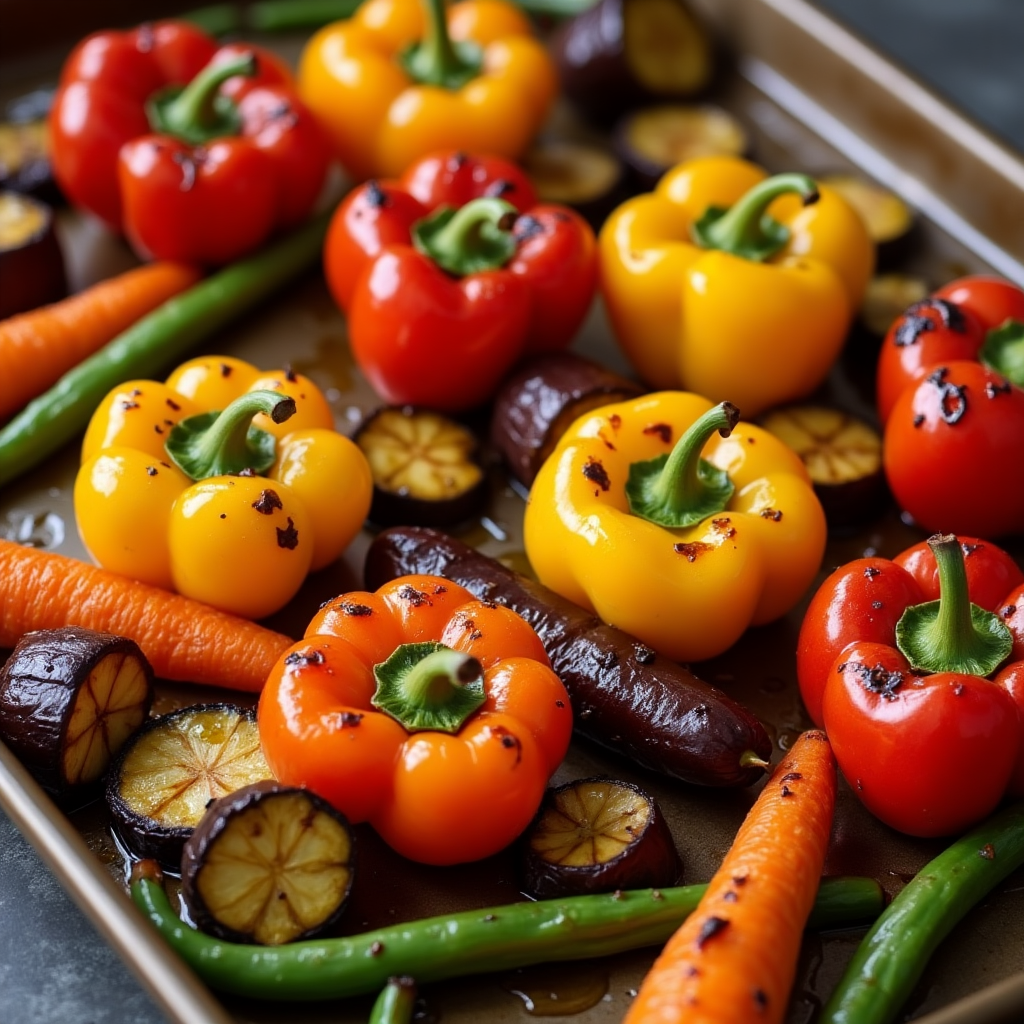
✅ Low-FODMAP: carrots, zucchini, bell peppers, eggplant, green beans
Why Roast? Why Not Steam?
Roasted Veggies > Everything Else
Let’s be real—steamed veggies are the sweatpants of the food world. Comforting, soft… but not exactly thrilling.
Roasting, on the other hand, is like putting your veggies in a leather jacket and sunglasses. They come out crisp on the outside, tender on the inside, and packed with flavor thanks to caramelization. 😍
Plus:
- Zero need for dairy-based sauces. The flavor speaks for itself.
- Great meal prep option. Roast a big tray and use it all week.
- Easy to make FODMAP-friendly—just skip the usual garlic/onion minefield.
Advantage of Roast Low-FODMAP Veggies?
Roasting brings out natural sweetness and makes vegetables crispy and delicious — without any heavy sauces or complicated steps.
This recipe is:
- ✅ IBS-friendly
- ✅ Gluten-free + dairy-free
- ✅ Vegan/vegetarian
- ✅ No garlic or onion needed (garlic-infused oil instead!)
“I didn’t miss the garlic or onion at all — the flavor was still 🔥 and my tummy was happy!”
Why Roasted Vegetables are a Low-FODMAP Dream?
- Naturally Flavorful: Roasting enhances the inherent sweetness of vegetables, making them incredibly delicious without the need for high-FODMAP flavor enhancers like garlic or onion.
- Easy to Digest: When prepared with low-FODMAP vegetables and healthy oils, this dish is gentle on sensitive stomachs.
- Versatile & Customizable: You can mix and match your favorite low-FODMAP vegetables based on what’s in season or what you have on hand.
- Nutrient-Rich: Roasting helps to retain many of the essential vitamins and minerals in vegetables.
- Simple & Hands-Off: Once prepped, the oven does most of the work!
The Best Low-FODMAP Veggies for Roasting
Here’s where it gets fun. You’ve got more options than you think.
The key to successful low-FODMAP roasted vegetables is selecting the right veggies and being mindful of serving sizes, as some vegetables become high in FODMAPs in larger quantities. Here are some fantastic options to get you started:
- Bell Peppers (Red, Yellow, Orange, Green): All colors are generally well-tolerated, but be mindful of moderate servings for red, yellow, and orange due to fructose content (check your Monash app!). Green peppers tend to be lowest in FODMAPs.
- Carrots: A reliable and delicious low-FODMAP choice.Naturally sweet when roasted.Slice them thick for more crunch, or thin if you like that chip-style crisp.Toss with a little maple syrup and thyme for chef’s kiss flavor.
- Zucchini: Another excellent and versatile option.Gets that buttery texture when roasted.Sprinkle with smoked paprika and olive oil = magic.Just don’t overdo it (FYI: ½ cup = low-FODMAP limit).
- Eggplant: Most types are low-FODMAP, especially in common serving sizes.Soaks up seasoning like a sponge.Cut into cubes or thick slices.Keep the skin on for max texture and fiber.
- Green Beans: Check the Monash app for recommended serving sizes, as they are moderate in fructans in larger portions.Crunchy, snappy, and low-FODMAP approved.Don’t boil ‘em—roast with lemon zest and a pinch of sea salt.
- Potatoes (White, Red, Yellow): All are generally low-FODMAP.YES, potatoes are low-FODMAP. Thank the carb gods.Crisp them up with rosemary and olive oil.Skip the garlic salt. Use garlic-infused oil instead. More on that soon 😉
- Sweet Potatoes: Moderate in mannitol, so stick to the recommended serving size.
- Spinach & Kale: These leafy greens roast beautifully and are low-FODMAP.
- Bok Choy (White Parts): The white parts are lower in FODMAPs than the leafy green parts.
- Parsnips :Like carrots’ earthier cousin.Slightly sweet, slightly nutty.Roast them alone or with carrots for a killer combo.

Feel free to mix and match a variety of these vegetables for a colorful and nutrient-packed dish!
Gut-Friendly Roasted Vegetables (Low-FODMAP, Vegan & Gluten-Free)
This recipe serves 4-6 people.
Time:
- Prep Time: 15 minutes
- Cook Time: 25-35 minutes
Cuisine & Meal Type
- Cuisine: American / Mediterranean-inspired
(These veggies typically draw from Mediterranean flavors — olive oil, herbs, root vegetables — but are tailored to a low-FODMAP diet.) - Meal Type:
- Side Dish
- Plant-Based / Vegan
- Gluten-Free
- Low-FODMAP
- Clean Eating / Gut-Health Focused
🧾 Typical Nutrition (Per Serving – approx. 1 cup roasted vegetables)
(Assuming a mix of carrots, zucchini, bell peppers, eggplant, green beans, and a drizzle of olive oil.)
- Calories: ~120 kcal
- Carbohydrates: ~14g
- Fiber: ~4g
- Natural Sugars: ~5g
- Fat: ~7g
- Saturated Fat: ~1g
- Protein: ~2g
- Sodium: ~80mg (varies with seasoning)
Ingredients:Roasted Low-FODMAP Vegetables Recipe – Easy, Gut-Friendly & Delicious
- 2 cups chopped low-FODMAP vegetables (choose a mix from the list above, aiming for similar sizes for even cooking)
- 2-3 tablespoons garlic-infused olive oil (your wonderful homemade creation!) or regular olive oil
- ½ teaspoon dried oregano
- ½ teaspoon dried thyme
- ¼ teaspoon smoked paprika (optional, for a touch of smoky flavor)
- Salt and freshly ground black pepper to taste
- Optional: 1-2 tablespoons of your Low-FODMAP Lemon-Herb Vinaigrette (for drizzling after roasting)
Equipment:
- Large baking sheet
- Parchment paper (optional, for easier cleanup)
- Large mixing bowl
🔥 Step-by-Step Guide:Flavorful Roasted Low-FODMAP Vegetables
- Preheat Your Oven: Preheat your oven to 400°F (200°C). Line your baking sheet with parchment paper for easier cleanup if desired.
- Prep Your Vegetables: Wash and chop your chosen vegetables into roughly equal-sized pieces (about 1-2 inches). This ensures they cook evenly.
- Toss with Oil and Spices: In a large mixing bowl, toss the chopped vegetables with the garlic-infused olive oil (or regular olive oil), dried oregano, dried thyme, smoked paprika (if using), salt, and pepper. Make sure all the vegetables are evenly coated with the oil and seasonings.
- Arrange on Baking Sheet: Spread the seasoned vegetables in a single layer on the prepared baking sheet. Avoid overcrowding the pan, as this can cause the vegetables to steam instead of roast. If you have a lot of vegetables, use two baking sheets or roast in batches.
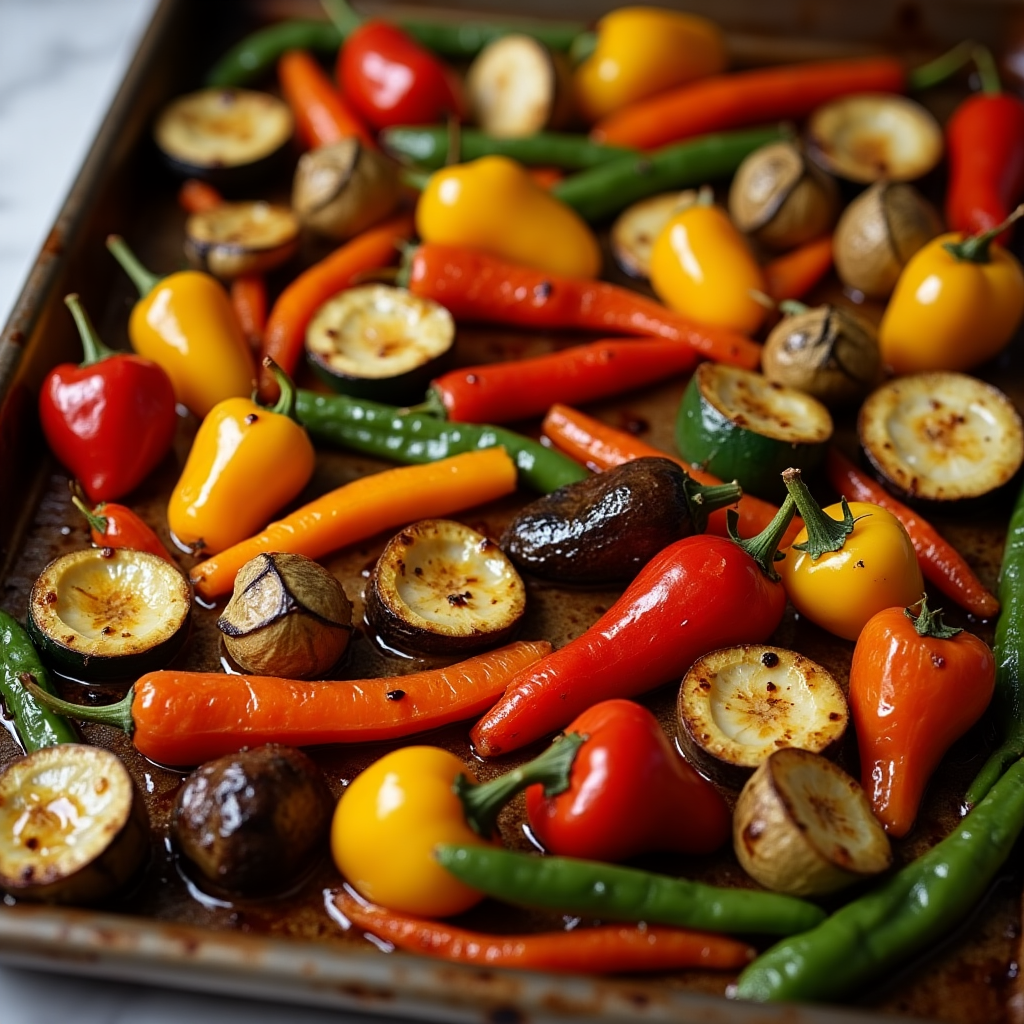
- Roast to Perfection: Roast in the preheated oven for 25-35 minutes, or until the vegetables are tender, slightly caramelized, and have some nice browning on the edges. Flip the vegetables halfway through the roasting time to ensure even cooking and browning on all sides.
- Optional: Drizzle with Vinaigrette: Once the vegetables are roasted, remove them from the oven. If desired, drizzle them with a tablespoon or two of your delicious Low-FODMAP Lemon-Herb Vinaigrette for an extra layer of bright flavor.
- Serve Hot: Serve your beautifully roasted low-FODMAP vegetables immediately as a flavorful and healthy side dish.
How to make Roast Low-FODMAP Vegetables Like a Pro
Roasting is one of those things that sounds fancy but is secretly lazy in the best way. Here’s the basic formula:
- Cut Uniformly: Consistent sizes ensure even cooking.
- Don’t Overcrowd the Pan: Give the vegetables space so they can roast and caramelize instead of steam.
- Use Enough Oil: A good coating of oil helps with browning and adds flavor.
- Roast at a High Enough Temperature: 400°F (200°C) is generally a good temperature for roasting vegetables.
- Flip Halfway Through: This promotes even cooking and browning.
- Roast Until Tender and Slightly Browned: Look for slightly softened vegetables with caramelized edges for the best flavor and texture.
- Experiment with Herbs and Spices: Feel free to try other low-FODMAP herbs like rosemary, sage, or marjoram, and spices like cumin or coriander.
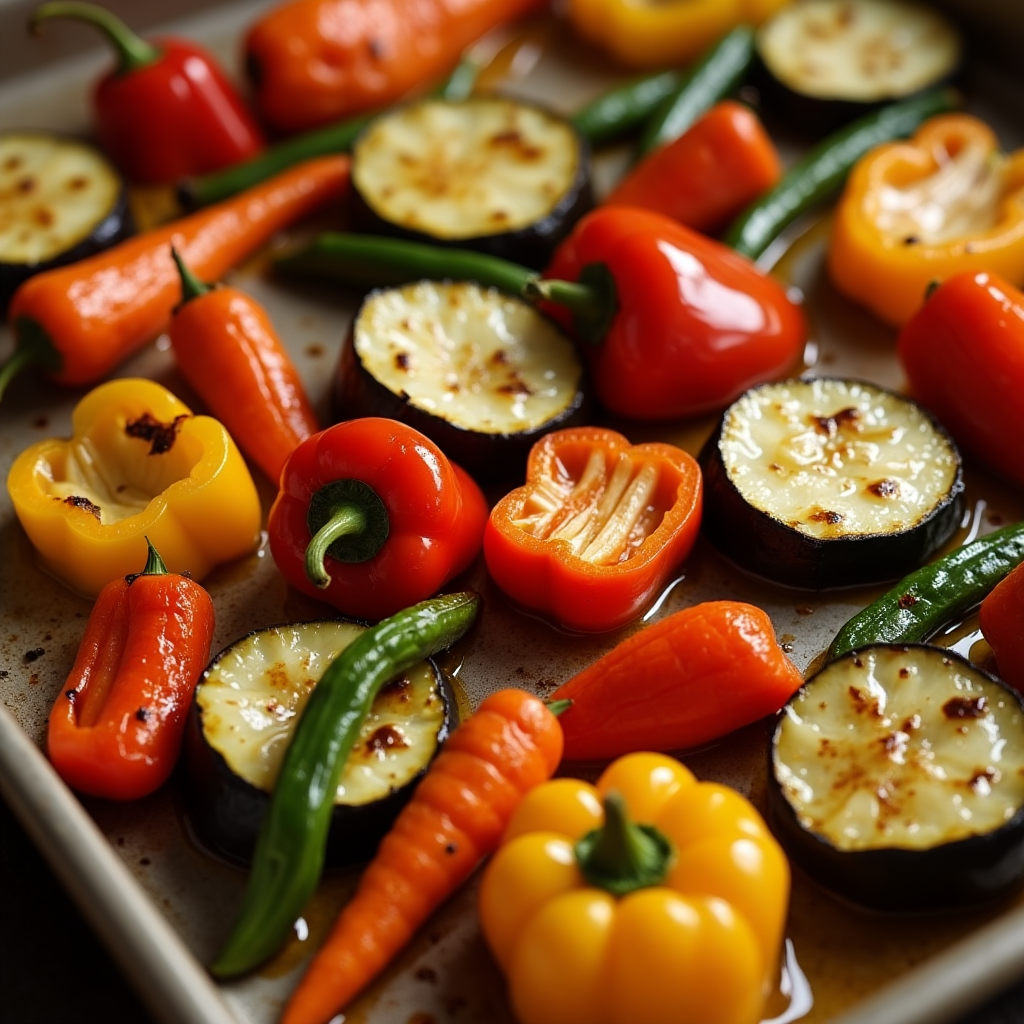
Flavor Boosters That Won’t Wreck Roast Low-FODMAP Vegetables – A Simple & Healthy Side Dish
Let’s talk seasoning. You want bold flavors, but FODMAPs love to hide in spice blends and marinades. These goodies? Safe and stunning:
- Garlic-infused olive oil – You get all the flavor, none of the bloating.
- Fresh herbs – Think rosemary, thyme, basil, parsley.
- Lemon zest and juice – For brightness and zing.
- Smoked paprika – Hello, depth.
- Maple syrup (pure, in small amounts) – A touch of sweetness that pairs perfectly with root veggies.
- Salt + Pepper – Always.
Avoid: Onion powder, garlic powder, BBQ spice blends unless they’re certified low-FODMAP.
Meal Ideas: What to Pair With IBS-Friendly & Flavor-Packed Easy Oven-Roasted Low-FODMAP Vegetables
Alright, you’ve got your tray of crispy, roasted goodness. Now what?
Here are a few low-FODMAP-friendly meals that go great with these veggies:
🥩 With Grilled Protein
- Chicken thighs, salmon, tofu—whatever floats your boat.
- Bonus: season protein with the same spices as your veggies for a cohesive flavor vibe.
🥗 In a Warm Grain Bowl
- Add roasted veggies to brown rice or quinoa.
- Drizzle with lemon-herb vinaigrette or tahini (FODMAP-safe portions!).
- Top with pumpkin seeds for crunch.
🫓 As a Taco Filling
- Yep, veggie tacos. Roast sweet potatoes + peppers + zucchini.
- Wrap in corn tortillas with a little avocado (¼ is safe).
- Finish with chopped cilantro and a squirt of lime.
🍳 Next to Eggs for Brunch
- Roasted potatoes + parsnips = the dream brunch base.
- Add a couple of poached or fried eggs. Game over.
Personal PSA: Don’t Skip the Crispy Bits
Listen, I don’t care what the recipe says—I always leave my veggies in a few extra minutes just to get that golden-brown, almost-burnt crispiness. IMO, that’s where the flavor lives.
Yes, you might lose a few nutrients. But if I wanted a science experiment, I’d drink a green smoothie. This? This is comfort food, baby.
Troubleshooting: Why Aren’t My Vegetables Crispy?
Okay, let’s troubleshoot real quick because soggy vegetables are a personal attack.
Here’s what might be going wrong:
- You overcrowded the pan. Give them space. They need breathing room to crisp.
- Your oven’s too cold. Crank it to at least 400°F.
- You didn’t use enough oil. Don’t drench ‘em, but don’t be shy either.
- You used watery veggies. Zucchini and eggplant hold water—try salting and draining before roasting.
Tips for Storing & Reheating Without Losing the Crunch
Let’s say you made a massive tray of veggies (bless you). Now you want to enjoy them all week? Here’s how to keep them from turning into a sad mushy mess:
Storage Tips:
- Let veggies cool completely before storing.
- Use an airtight container (no soggy fridge drawer disasters).
- Store in a single layer if possible to avoid steaming.
Reheating Tips:
- Use the oven or a skillet. Microwave = soggy. Just don’t.
- Pop them in a hot oven for 10 minutes or re-crisp in a frying pan.
Final Thoughts: Your Gut Deserves Better Than Bland
Honestly, I used to think my low-FODMAP journey meant saying goodbye to flavor. But after experimenting with roasted veggies, bold spices, and simple techniques, I realized something…
Gut-friendly food doesn’t have to be boring. It can be bold, colorful, crispy, and downright addictive.
So next time someone says, “Oh, you can’t eat that?” just smile, take another bite of your golden roasted carrots, and think, “Yeah, but I get to eat THIS.” 😉
Ready to Roast?
Now it’s your turn. Pick your fave veggies, crank up the oven, and show your stomach some love. And hey—if you end up eating half the tray straight off the sheet pan, I won’t judge. Been there. Loved it.
Catch you later, crunch-lover. 🍠🥕🔥
Your Questions Answered (FAQs):
Q1: Can I roast frozen vegetables? A1: While you can roast frozen vegetables, they tend to release more moisture, which can hinder browning. If using frozen, make sure to thaw them thoroughly and pat them dry before tossing with oil and roasting. You may need to roast them for a bit longer.
Q2: How do I store leftover roasted vegetables? A2: Leftover roasted vegetables can be stored in an airtight container in the refrigerator for up to 3-4 days. They can be reheated in the oven, microwave, or even pan-fried.
Q3: Can I add garlic to roasted vegetables if I’m not on a low-FODMAP diet? A3: Absolutely! If you tolerate garlic, feel free to toss a few minced or smashed garlic cloves with the vegetables before roasting for added flavor.
Q4: What are some main dishes that go well with roasted vegetables? A4: Low-FODMAP roasted vegetables pair wonderfully with grilled or baked chicken, fish, turkey, tofu, or lentil loaves. They also make a great addition to grain bowls or as a side to a simple frittata.
Q5: Can I roast different vegetables together if they have different cooking times? A5: It’s best to roast vegetables with similar densities and cooking times together. For example, root vegetables like carrots and potatoes will take longer than softer vegetables like zucchini and bell peppers. If you’re roasting a mix with varying cooking times, you can add the faster-cooking vegetables later in the roasting process.
Conclusion: Flavor Without the Fuss
These Perfectly Roasted Low-FODMAP Vegetables are proof that healthy food can be comforting, gut-friendly, and full of flavor — even without garlic or onions.
🍽️ Just a few pantry spices, colorful veggies, and a hot oven — that’s all you need for your gut to say “thank you.”




“Easy Air Fryer Chicken Tenders Recipe – Extra Crunchy & Healthy”

Proudly powered by WordPress