The Best Pantry Staples for Quick & Easy Meals (pantry staples guide)
Build your perfect kitchen! Our Pantry Staples Guide lists essential ingredients to simplify cooking, save money, and always be ready for delicious meals.What are basic pantry staples?
[Pantry Staples Guide] – The Must-Have List for a Kick-Butt Kitchen That Actually Feeds You
Ever stood in front of your fridge, door wide open, staring into the abyss and thinking, “There’s nothing to eat”—even though your kitchen is technically full of stuff? Yep, we’ve all been there. That’s exactly why having a solid stash of pantry staples is a total game-changer. Not just for lazy Tuesday dinners but for those I-need-something-fast-before-I-eat-my-own-arm kind of moments.
In this guide, I’m going to walk you through the real-deal essentials—not those fancy ingredients you buy for one recipe and never touch again (looking at you, fish sauce 👀). These are the ride-or-die pantry items that’ll have your back, no matter what culinary chaos is going down.
Let’s build your pantry items for meal prep like a pro—minus the stress, plus a dash of humor, and maybe a snack break.
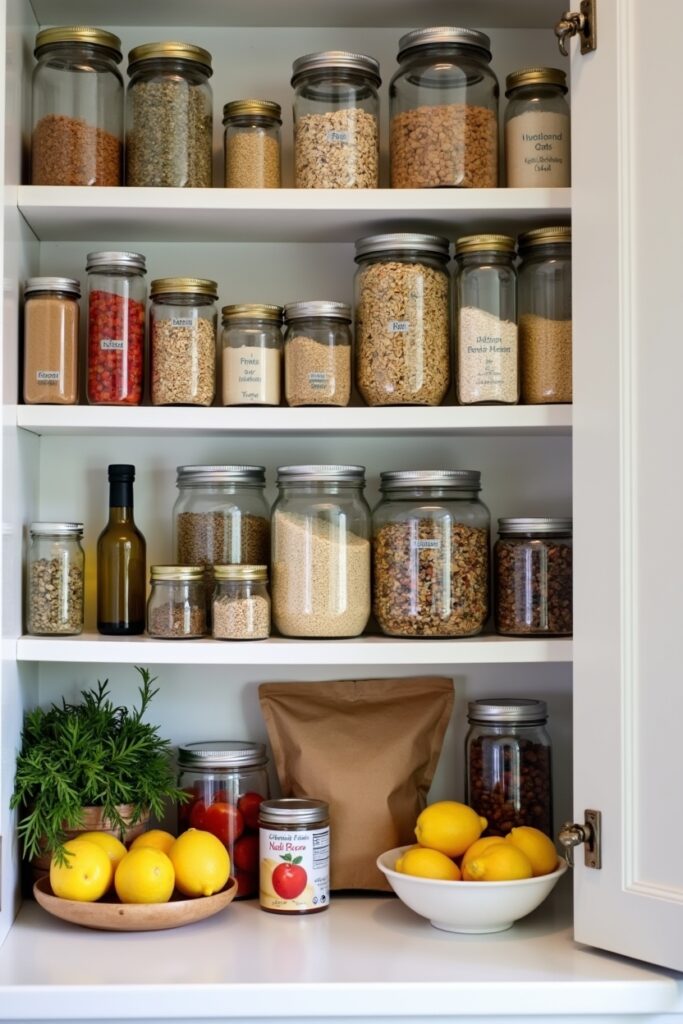
healthy pantry staples
Why You Need Pantry Staples (Like, Yesterday)
Before we break down the list, let’s get one thing straight: pantry staples = power tools for anyone who wants to eat well without losing their mind.
So… what makes a pantry item a “staple”? What are the healthy staples for your pantry?
Basically, if you can:
- Use it in a bunch of different recipes
- Store it for a while without it turning into science class
- Rely on it when your fridge is basically a desert…
Then congrats, you’ve got a pantry staple on your hands.
The perks of keeping a stocked pantry staples guide :
Keeps you sane – Especially when hangry vibes hit.
Saves you time – No more last-minute grocery runs.
Saves you money – Cooking at home is cheaper (and usually tastier).
Why a Well-Stocked Low-FODMAP Pantry is Your Secret Weapon
- Reduces Stress & Anxiety: No more last-minute panic at the grocery store or mealtime uncertainty.
- Saves Time: Having safe ingredients on hand makes meal prep and cooking much faster and smoother.
- Encourages Home Cooking: When you have the right tools (ingredients!), you’re more likely to cook nutritious meals at home.
- Prevents Accidental High-FODMAP Exposure: You’ll know exactly what’s in your food because you chose every ingredient.
- Unlocks Culinary Creativity: A solid base of staples allows you to experiment with new recipes and flavors confidently.
Budget Pantry Staples : Why You Can Trust This Guide ?
As your friend on this journey, I understand the importance of reliable information, especially when it comes to managing sensitive tummies. This guide is built upon careful research, consistent cross-referencing with the Monash University FODMAP Diet App (the leading authority for FODMAP testing), and practical experience in creating delicious low-FODMAP meals. While I am not a medical professional, this information is compiled to provide clear, actionable advice to help you build a safe and delicious low-FODMAP pantry. Always consult your doctor or a registered dietitian for personalized medical and dietary advice.
What are basic pantry staples? The Dry Goods MVPs (shelf-stable food list)
Let’s start with the backbone of any solid pantry: the dry goods. These guys are like the reliable best friend who always shows up, even at 2 a.m.
Grains & Carbs:
Because sometimes, you just need something starchy to soak up the sauce.
- Rice (white, brown, jasmine, basmati – pick your fighter)
- Pasta (bonus points for having a mix: spaghetti, penne, maybe even soba?)
- Quinoa (protein-packed and surprisingly versatile)
- Oats (for breakfast or baking or weird TikTok recipes)
- Flour (all-purpose is a must; whole wheat or almond flour if you’re feelin’ fancy)
- Breadcrumbs or panko (for when you want that crispy, golden crunch)
Canned & Jarred Goods:
Because fresh isn’t always an option, and that’s totally okay.
- Canned tomatoes (diced, crushed, paste—tomato-y goodness in every form)
- Beans (black, garbanzo, kidney—you name it, they’re lifesavers)
- Coconut milk (hello creamy curries and soups)
- Jarred pasta sauce (because making sauce from scratch isn’t always the vibe)
- Nut butters (PB, almond butter—whatever makes your toast happy)
Legumes & Lentils:
Don’t sleep on these protein-packed powerhouses.
- Red lentils (cook fast and taste amazing)
- Green or brown lentils (for soups, salads, and everything in between)
- Split peas (split pea soup, anyone?)
- Dried beans (if you’re patient or have a pressure cooker)
Spices & Seasonings – The Secret Sauce of Flavor
Let’s be real—no one wants bland food. Spices are your pantry’s personality, and yes, they’re non-negotiable.
Must-Have Spices:
- Salt (duh. Kosher salt or sea salt is where it’s at)
- Black pepper (freshly ground > pre-ground. Fight me.)
- Garlic powder (because real garlic goes bad at the worst times)
- Onion powder
- Paprika (smoked if you want to feel fancy)
- Cumin
- Chili flakes (a little heat never hurt anyone)
- Curry powder or garam masala (trust me on this)
- Oregano & basil (hello, Italian night)
Bonus Flavor Friends:
- Soy sauce or tamari (for stir-fry, marinades, magic)
- Vinegars (apple cider, balsamic, white wine—you need at least one)
- Hot sauce (because sometimes mild just isn’t enough)
- Honey or maple syrup (for sweet & savory cooking)
Oils & Cooking Essentials
You can’t sauté without oil—unless you enjoy sticking things to your pan and swearing a lot.
Top Oils to Keep On Hand:
- Olive oil (extra virgin, please—great for dressing or drizzling)
- Avocado oil (high smoke point = good for cooking)
- Sesame oil (for that nutty kick in Asian dishes)
- Neutral oil like canola or grapeseed (for everyday cooking)
Other Must-Haves:
- Cooking spray (lazy but effective)
- Broth or bouillon (veggie, chicken, beef—your choice)
- Cornstarch or arrowroot powder (thickening game strong)
Snacks & Quick Fixes
Okay, this part might not be 100% “essential,” but let’s be real: snacks are life.
- Crackers or rice cakes (snack attack go-tos)
- Nuts & seeds (almonds, cashews, sunflower seeds—pick your vibe)
- Dried fruit (perfect for that sweet-but-not-sugary fix)
- Dark chocolate (because mental health is important, obviously)
Baking Basics (Even If You Don’t Bake Often)
Even if you’re not the next Great British Bake Off contestant, you’ll want these on standby.
- Sugar (white, brown, coconut—you pick)
- Baking powder & baking soda
- Vanilla extract (just get the real kind, please)
- Cocoa powder (even if it’s just for emergency brownies)
Condiments & Sauces – The Unsung Heroes
You could make the same chicken and rice a hundred ways just by changing up the sauce. True story.
How should pantry staples be stored? : Keep these in your fridge or pantry
- Mustard (Dijon, yellow, grainy—whatever floats your sandwich)
- Ketchup (a classic)
- Mayonnaise or vegan mayo
- Sriracha or your fave hot sauce
- Pesto (store-bought or frozen cubes if you’re lazy like me)
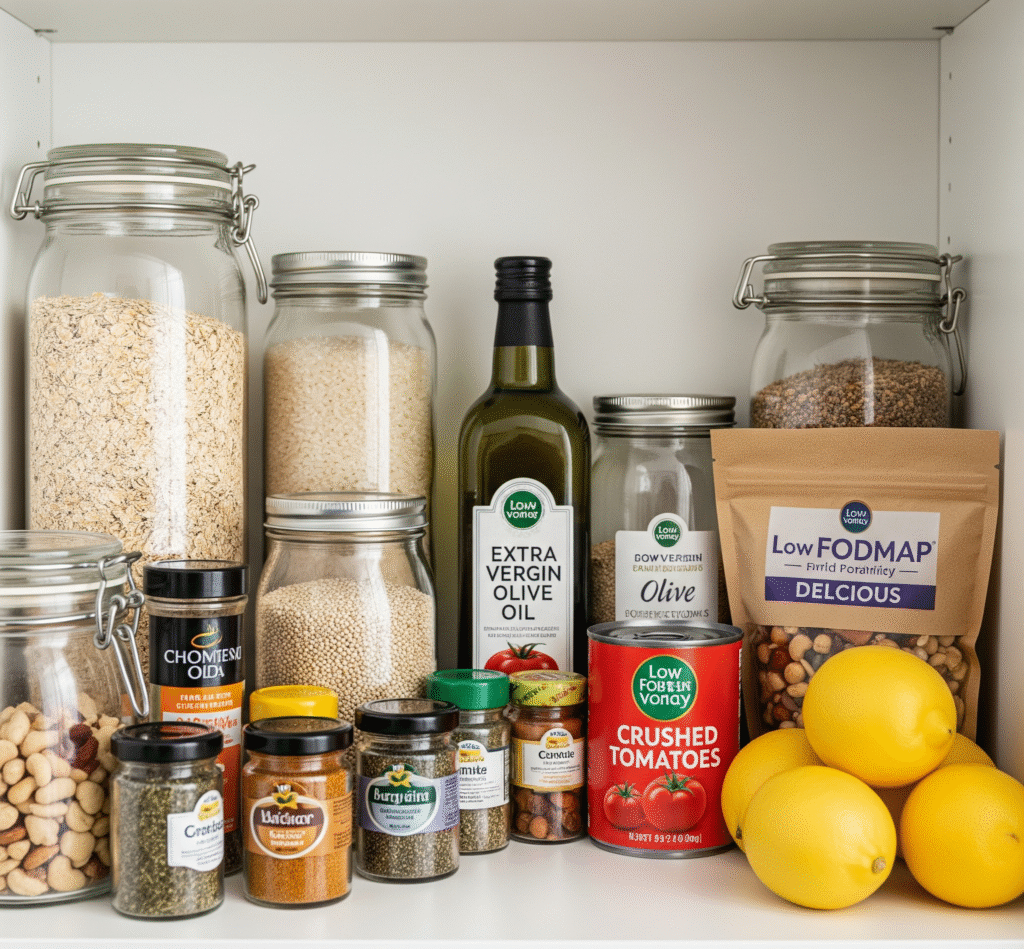
Proteins (Plant-Based & Animal): Building Blocks for Meals
- Staples to Stock (Plant-Based):
- Canned Lentils (rinsed and drained): Low-FODMAP in small portions (1/4 cup, rinsed). Rinsing helps reduce FODMAPs.
- Canned Chickpeas (rinsed and drained): Low-FODMAP in small portions (1/4 cup, rinsed).
- Firm Tofu: A fantastic, versatile protein source. Check for plain varieties.
- Peanuts & Pumpkin Seeds: Great for snacks or adding to dishes (check serving sizes for other nuts/seeds).
- Staples to Stock (Animal):
- Chicken: Versatile and naturally low-FODMAP. (Link to your recipe: Perfect for our Easy Chicken & Veggie Skewers!)
- Fish (Salmon, Cod, Tuna): Naturally low-FODMAP.
- Beef & Pork (unprocessed): Naturally low-FODMAP.
- Eggs: A quick and easy protein source.
- What to Watch Out For:
- Processed meats with high-FODMAP additives (onion/garlic powder, high-fructose corn syrup).
- Large servings of most beans or lentils (unless specified as low-FODMAP by Monash app).
Sweeteners: Nature’s Candy (in Moderation!)
- Staples to Stock:
- Maple Syrup (Pure): A great low-FODMAP liquid sweetener.
- White Sugar (Granulated Sugar): Naturally low-FODMAP.
- Brown Sugar: Naturally low-FODMAP.
- Stevia & Sucralose: Non-nutritive sweeteners that are generally low-FODMAP.
- What to Watch Out For:
- Honey (high in excess fructose).
- Agave Nectar (high in excess fructose).
- High-Fructose Corn Syrup (HFCS).
- Polyols/Sugar Alcohols ending in -ol (Sorbitol, Mannitol, Xylitol, Maltitol, Isomalt – commonly found in “sugar-free” products).
Herbs & Spices: The Heart of Flavor
These are generally low-FODMAP, but always check mixed blends for hidden garlic/onion powder.
- Staples to Stock:
- Individual Dried Herbs: Oregano, basil, thyme, rosemary, parsley, dill, bay leaves.
- Individual Spices: Cumin, coriander, paprika (smoked and sweet), turmeric, ginger, cinnamon, nutmeg, chili powder (pure, no additives), black pepper, red pepper flakes.
- Asafoetida (Hing): This is your secret weapon for an onion/garlic flavor replacement! Look for pure asafoetida, or check for wheat flour fillers (use small amounts if it has wheat).
- What to Watch Out For:
- Pre-made spice blends that list “garlic powder” or “onion powder” (e.g., many chili powders, taco seasonings, bouillon cubes).
Condiments & Sauces: The Finishers
Often hidden sources of FODMAPs, but you can find safe options!
- Staples to Stock:
- Gluten-Free Tamari / Soy Sauce: Check labels for wheat if gluten-sensitive, and make sure no high-FODMAP additives.
- Oyster Sauce (for Asian cooking): Check labels carefully; some brands are low-FODMAP in small servings.
- Ketchup: Look for brands made without high-fructose corn syrup (or make your own low-FODMAP version!).
- Mayonnaise: Generally low-FODMAP (check for onion/garlic powder in some brands).
- Mustard (Dijon, Yellow): Generally low-FODMAP, but always double-check for garlic/onion powder.
- What to Watch Out For:
- Most commercial BBQ sauces, teriyaki sauces, salad dressings (unless certified low-FODMAP).
- Salsa (usually contains onion/garlic).
- Hummus (made with chickpeas).
Canned Goods & Pantry Basics:
- Staples to Stock:
- Canned Tomatoes (crushed, diced, paste): Excellent base for sauces and stews.
- Canned Tuna/Salmon: Quick protein.
- Canned Coconut Milk (Full-Fat & Light): Low-FODMAP in small servings (1/4 cup), excellent for creamy dishes.
- Olives: Great for snacks or adding to savory dishes.
- Broth: Make your own low-FODMAP broth (using safe vegetables and meat, no onion/garlic) or buy certified low-FODMAP broth.
- What to Watch Out For:
- Canned beans (unless thoroughly rinsed and drained, and used in small portions per Monash).
- Canned soups (almost always high-FODMAP).
Snacks: Easy Bites for Busy Days
- Staples to Stock:
- Rice Cakes: Simple base for toppings.
- Gluten-Free Crackers: Check labels for high-FODMAP flours (e.g., chickpea flour, soy flour) and onion/garlic powder.
- Corn Chips/Tortilla Chips: Ensure no onion/garlic powder.
- Popcorn: Plain, air-popped popcorn is low-FODMAP.
- Selected Nuts & Seeds: Peanuts, pumpkin seeds, sunflower seeds, pecans, walnuts, macadamias (check Monash for serving sizes of all).
- What to Watch Out For:
- Most granola bars.
- Pretzels (often wheat-based).
- Dried fruits with high-FODMAPs (e.g., dates, figs, mango, apples).
Beverages:
- Staples to Stock:
- Lactose-Free Milk: Great for coffee, cereal, recipes.
- Almond Milk (Unsweetened): Check for carrageenan or other problematic additives.
- Rice Milk: Another good option.
- Coffee & Tea (Plain): Generally low-FODMAP.
- Water! Always the best choice.
- What to Watch Out For:
- Cow’s milk (unless lactose-free).
- Soy milk (made from whole soybeans, not soy protein).
- High-FODMAP fruit juices (e.g., apple, pear, mango).
- Sugary sodas with HFCS.
Pantry Staples Guide Tips From Someone Who’s Spilled Flour Everywhere (Me 🙋♀️)
1. Rotate stuff.
Don’t let things expire in the back like forgotten dreams. Use FIFO: first in, first out.
2. Label jars.
Unless you enjoy guessing between baking powder and cornstarch mid-cookie prep.
3. Organize it how you use it.
Put all your baking stuff in one spot, grains in another. Your future hangry self will thank you.
4. Keep a running list.
When something runs low, jot it down immediately. Otherwise, you’ll end up with 4 bags of quinoa and zero pasta. (Ask me how I know.)
Tips for Stocking Your Low-FODMAP Pantry Smartly
- Start Small: You don’t need to buy everything at once! Focus on the ingredients for recipes you actually want to make first.
- Read Labels Like a Detective: This is your superpower on the low-FODMAP diet. Look for sneaky onion, garlic, high-fructose corn syrup, or sugar alcohols.
- Utilize Your Monash App: This is your indispensable companion. When in doubt about a serving size or an unfamiliar ingredient, check the app!
- Shop the Perimeter First: Fresh produce, lean proteins, and dairy alternatives are usually around the outer edges of the grocery store.
- Don’t Be Afraid to Ask: If you can’t find something, ask a store employee.
- Batch Cook: Prepare larger quantities of staples like cooked rice or roasted vegetables for easy meal prep.
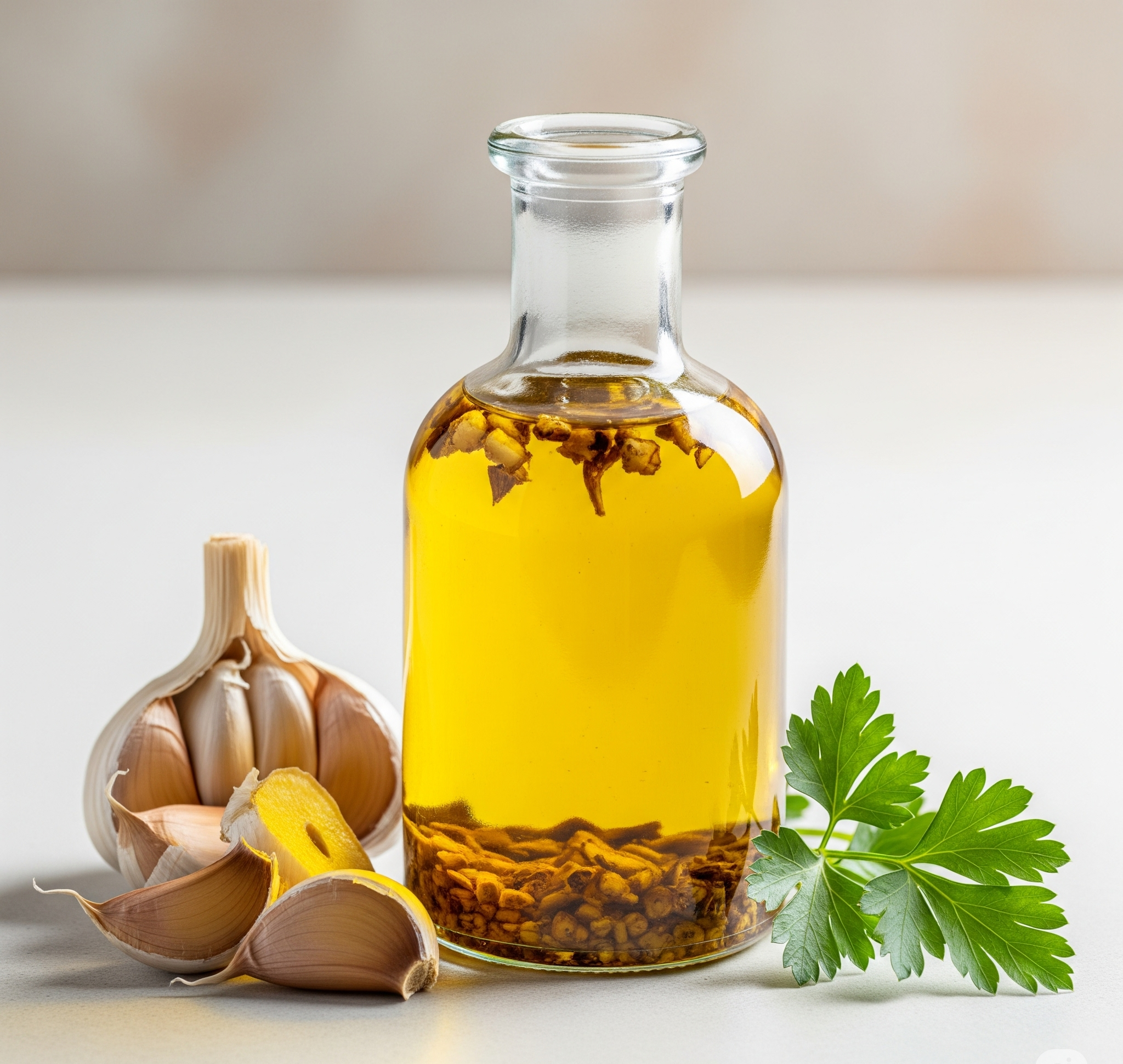
- Embrace Your Homemade Goodies: Remember your Homemade Garlic-Infused Oil and Lemon-Herb Vinaigrette are now essential pantry staples!
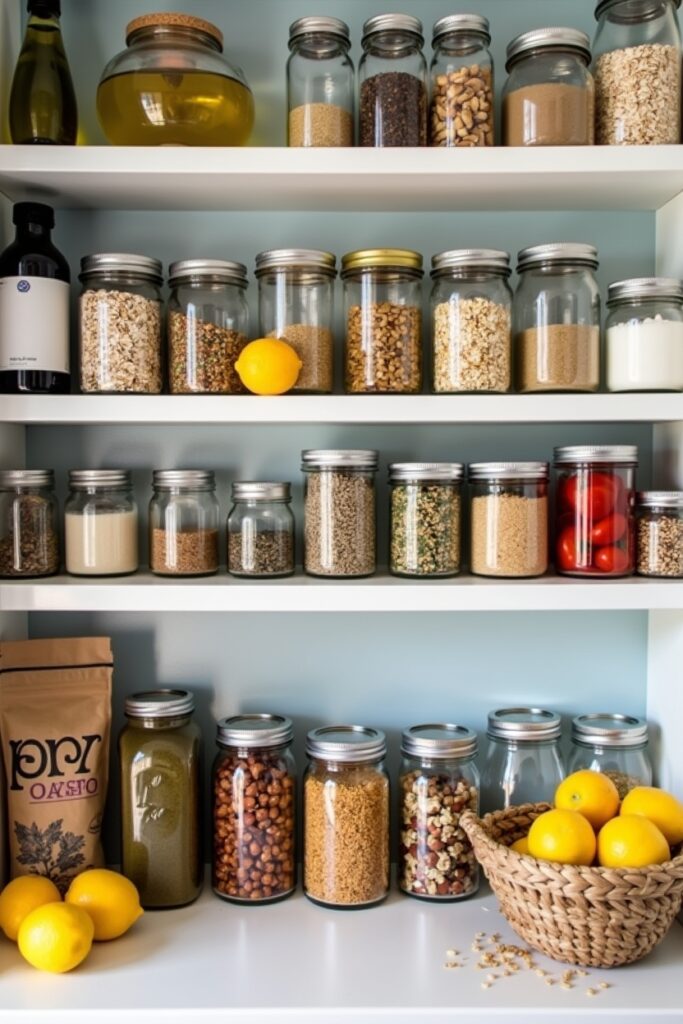
10 Golden Rules of the beginner pantry staples
1. First In, First Out (FIFO)
👉 Use the oldest items first.
Put new groceries behind the older ones so nothing expires quietly at the back like a forgotten ghost of chili past.
2. Label Everything
📅 Especially if you decant into jars.
Include product name + expiration date on labels. No more mystery flours or questionable lentils.
3. Group by Category
📚 Keep like with like:
- Grains with grains
- Cans with cans
- Spices with spices
Makes it easier to find things (and easier to restock).
4. Check Expiration Dates Monthly
⏳ Yes, even shelf-stable stuff goes bad eventually.
Do a quick pantry audit every 4–6 weeks. Toss expired items or move them to the front to use ASAP.
5. Keep It Cool, Dark, and Dry
☀️ Humidity + heat = mold and spoilage.
Store pantry items away from the stove, sunlight, or anything that gets warm and steamy.
6. Avoid Overbuying
🛒 Don’t stockpile more than you can reasonably use.
It’s not a grocery store. Bulk buying is only smart if you’ll actually use it before it spoils.
7. Use Airtight Containers
🌬 Keeps food fresher, longer.
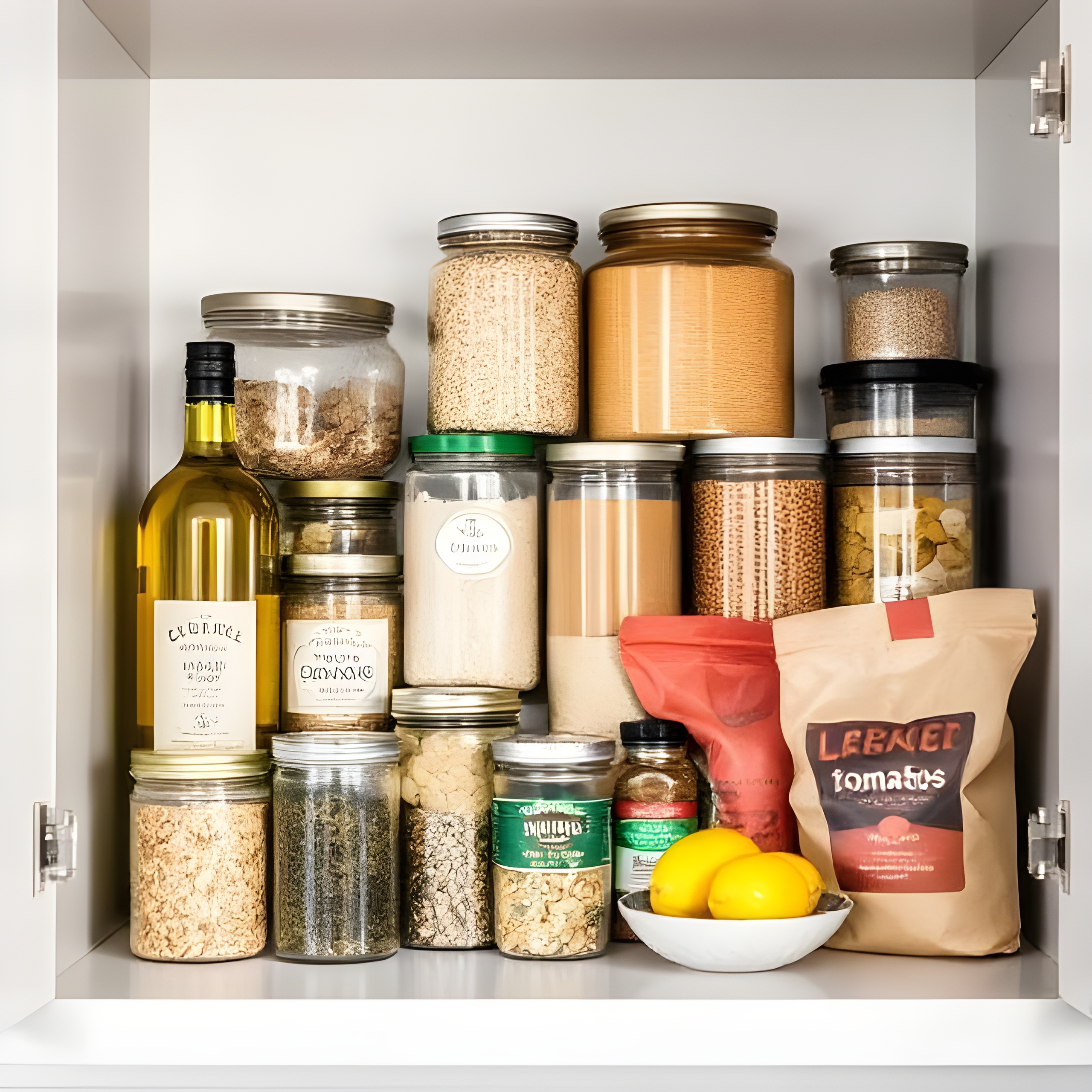
Ideal for flour, sugar, pasta, oats, etc. Plus—prettier shelves and fewer weevils!
8. Keep an Inventory List
📋 Especially helpful for larger pantries.
Know what you have at a glance, avoid duplicates, and plan meals more easily.
9. Wipe Spills Immediately
🧼 Crumbs = bugs.
One spill of honey or sugar can become an ant buffet. Keep it clean as you go.
10. Make it Work for You
⚙️ Organize based on your habits.
If you cook Italian a lot, keep pasta and tomato sauce front and center. Gluten-free? Tailor your staples accordingly.
A Few Fun Pantry Hacks (Because Why Not?)
- Freeze your herbs in oil in an ice cube tray. Instant flavor bombs!
- Use oats as a breadcrumb swap when you’re out.
- Keep a snack basket for those emergency snack needs. (FYI: it’s always an emergency.)
Conclusion: Your Pantry, Your Powerhouse
If you made it this far—first of all, you’re my kind of person. Secondly, now you know the secret: a well-stocked pantry = culinary freedom.
You won’t need to panic when dinner time rolls around. You’ll actually look forward to whipping something up. Heck, maybe you’ll even impress yourself (and maybe your partner, roommate, or random guest) with a meal made from “just pantry stuff.”
And hey, if your pantry still has expired coconut milk from 2019? No judgment. Start fresh. Make a list. Restock smartly.
Your kitchen deserves it. You deserve it.
Now go grab a snack—you’ve earned it.
Your Questions Answered (FAQs):
Q1: Can I still eat spices and seasonings?
A1: Yes! Most individual herbs and spices are low-FODMAP. The issue often comes with pre-made spice blends, bouillon cubes, or seasoning packets that contain onion or garlic powder. Always check ingredients.
Q2: What about bread? Is there any low-FODMAP bread?
A2: Yes, some! Look for certified gluten-free breads made from low-FODMAP flours like rice, corn, or sourdough (some traditional sourdoughs are naturally low-FODMAP due to the fermentation process, but check the Monash app for specific types and serving sizes). Many “gluten-free” breads may still contain high-FODMAP ingredients like apple fiber or pear juice concentrate, so read labels carefully.
Q3: How often should I check the Monash app?
A3: Regularly! Monash University constantly tests new foods and re-tests existing ones, updating serving sizes. It’s the most reliable source for the most current information.
Q4: Can I buy pre-made low-FODMAP sauces or marinades?
A4: Yes, there are now brands specializing in certified low-FODMAP products! Look for labels like “FODMAP Friendly certified” or “Monash University Low-FODMAP Certified.” These are great for convenience, but you can also make many from scratch, like our Homemade Garlic-Infused Oil or Lemon-Herb Vinaigrette.
Q5: What are common hidden FODMAPs to look for on labels?
A5: The biggest ones are: onion powder, garlic powder, high-fructose corn syrup, inulin, fructans, GOS, polyols (sorbitol, mannitol, xylitol, maltitol, isomalt – look for ingredients ending in -ol), and certain fruit concentrates (like apple or pear juice concentrate).

✅ High-protein
✅ Low-carb, gluten-free


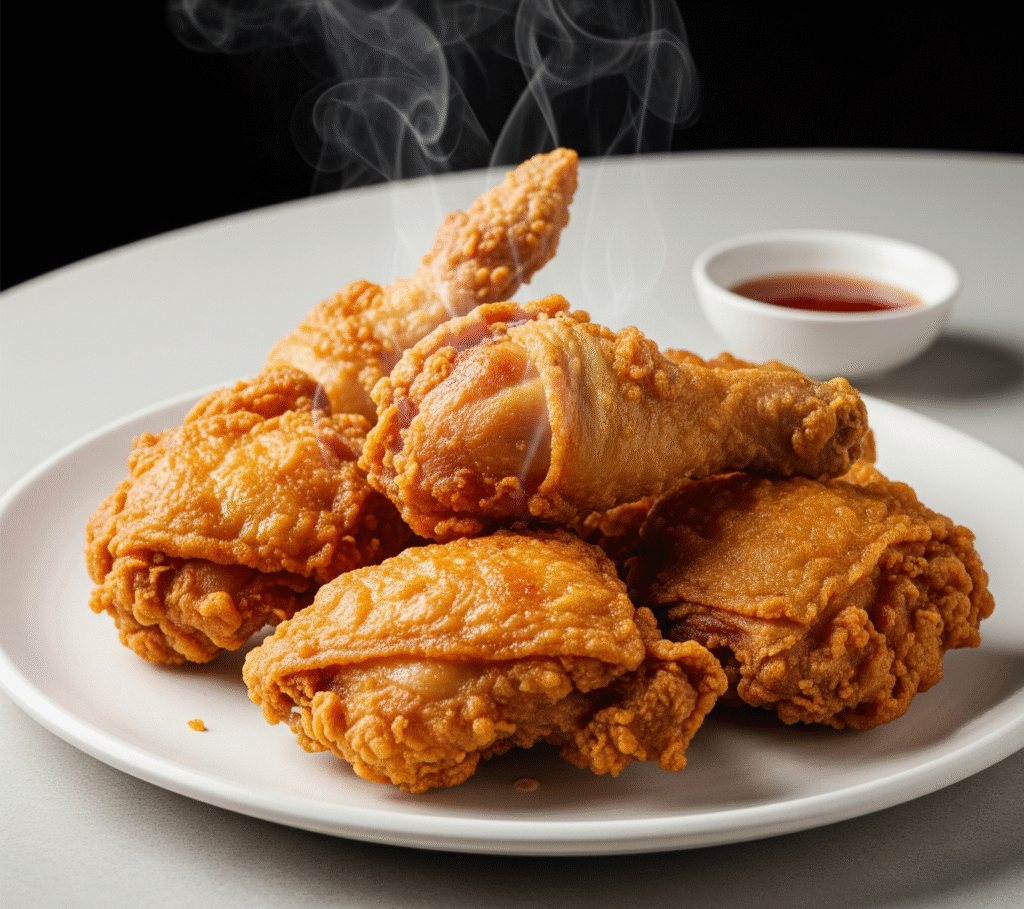
“Crispy Air Fryer Chicken Tenders | No Oil, All Flavor!”

Proudly powered by WordPress