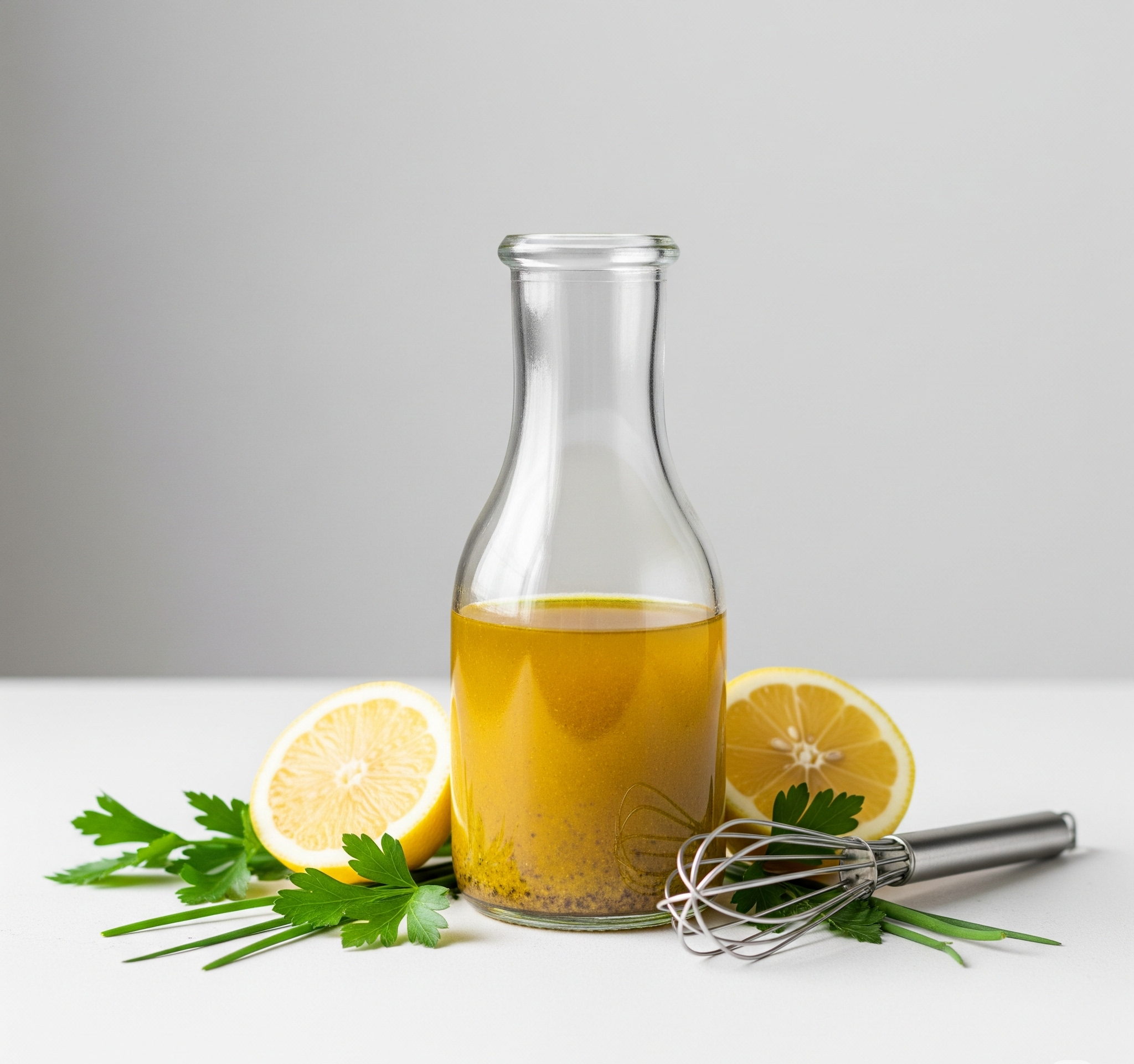
The Best Lemon-Herb Vinaigrette Recipe (Whole30, Vegan & Gluten-Free)
Bright, Zesty, and Way Better Than That Bottle in Your Fridge
Whip up our easy Lemon-Herb Vinaigrette! This fresh, vibrant dressing brightens any salad or dish. Get the simple recipe for homemade flavor today.
Ever Had a Salad That Didn’t Suck? Homemade lemon-herb vinaigrette. It’s fresh, tangy, and herby in all the right ways. Plus, it’s super easy to make. Like, whisk-and-you’re-done easy.
I’ve been making this vinaigrette for years, and honestly? I can’t go back to the store stuff. Once you taste how bright and clean this dressing is, you’ll never look at ranch the same way again. Sorry not sorry. 😎
This isn’t just any dressing; it’s vibrant, incredibly versatile, and made with simple, wholesome ingredients you can trust. Say goodbye to label anxiety and hello to fresh, zesty flavor!
Quick & Healthy Lemon-Herb Vinaigrette Recipes
This recipe makes about 1 cup of vinaigrette, enough for several servings.
Time :
- Prep Time: 5 minutes

Why This Lemon-Herb Vinaigrette Deserves a Spot in Your Fridge ?
Brightens Everything (Even That Sad Fridge Lettuce)
This vinaigrette is like a flavor upgrade button. You drizzle it on a salad, and suddenly it’s a meal. You splash it on grilled veggies, and boom—restaurant vibes. The lemon juice adds zing, the fresh herbs bring depth, and the olive oil smooths it all out like the culinary peacemaker it is.
100% Clean Ingredients for vegan lemon vinaigrette :
There’s no xanthan gum or weird stabilizers here. Just real, whole ingredients you probably already have:
- Fresh lemon juice
- Good olive oil
- Dijon mustard
- Honey or maple syrup
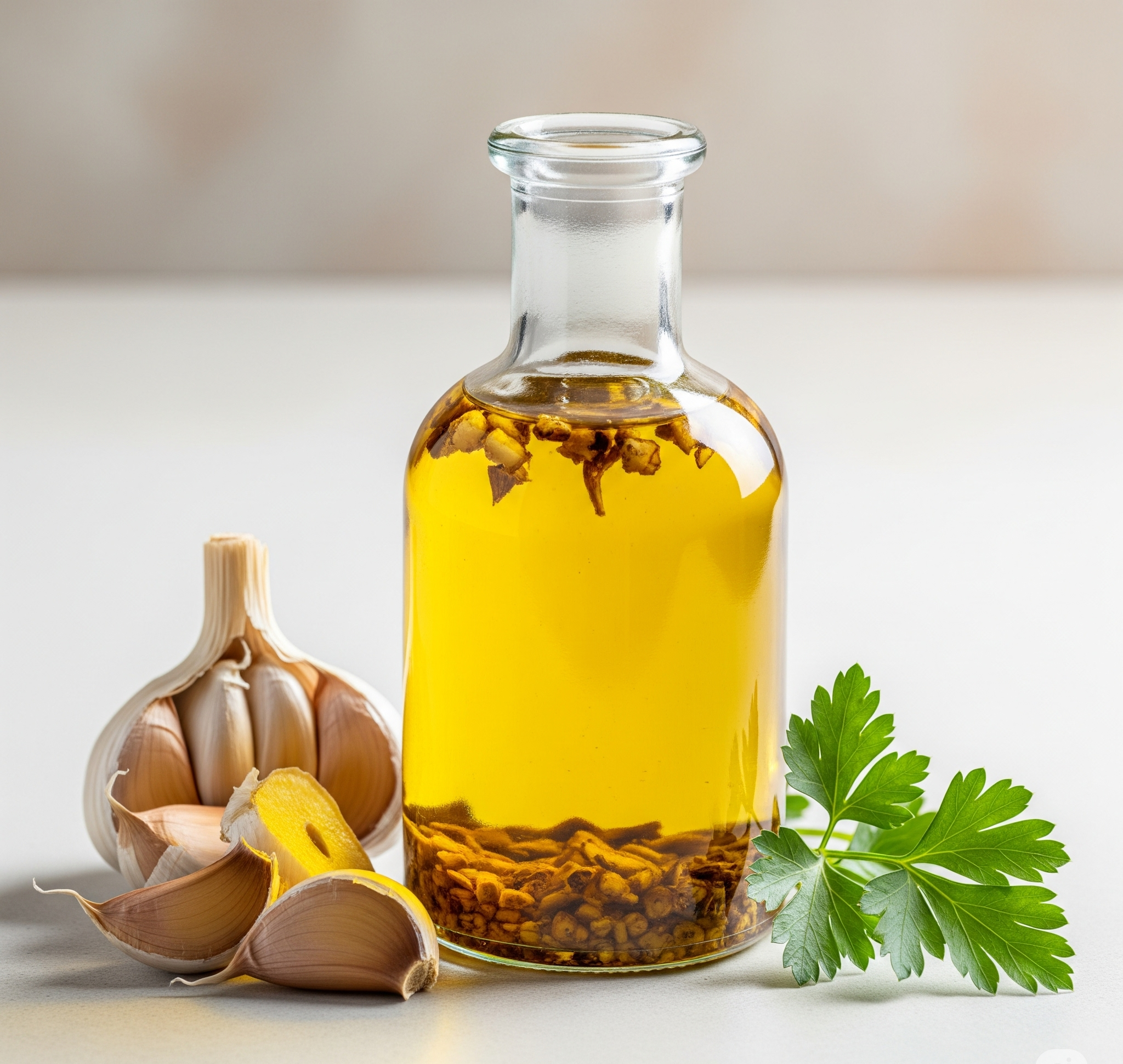
- Garlic
- Fresh herbs (basil, parsley, thyme—dealer’s choice)
- Salt & pepper
I mean, can your bottled dressing even compete? (Spoiler: nope.)
Total Control Over Flavor
Want it tangier? Add more lemon. A little sweeter? Drizzle in more honey. Like it spicy? Toss in a pinch of red pepper flakes. You’re the boss here. Unlike that pre-made bottle that tastes like every bad office lunch you’ve ever had.
Why Homemade is Best for Low-FODMAP ?
When you’re following a low-FODMAP diet, control over ingredients is everything. Store-bought dressings are notorious for hidden FODMAPs, even in small amounts. These often include:
- Garlic and Onion: The biggest culprits, often present as powders or extracts.
- High-Fructose Corn Syrup (HFCS): A common sweetener that’s high in FODMAPs.
- Thickeners and Gums: Some of these can cause digestive upset for sensitive individuals.
By making your vinaigrette from scratch, you’re in charge! You choose every fresh, low-FODMAP ingredient, ensuring your dressing is a safe and delicious addition to your meals. Plus, you get to control the quality of the oil and the freshness of the herbs.
Cuisine & Meal Type
- Cuisine: Mediterranean / American Fusion
- Meal Type:
- Salad Dressing / Condiment
- Vegan / Whole30 / Gluten-Free
- Low-FODMAP friendly (optional with garlic-infused oil)
- Clean Eating / Paleo
📊 Nutritional Information (Per Serving – 2 tbsp)
Values will vary based on exact oil quantity and herbs used.
- Calories: ~120 kcal
- Fat: ~13g
- Saturated Fat: ~2g
- Carbohydrates: ~1g
- Protein: ~0g
- Fiber: ~0.2g
- Sugar: ~0.3g (from lemon juice)
- Sodium: ~80mg (based on added salt)
✅ Made with heart-healthy olive oil, fresh lemon juice, and herbs. No added sugar, dairy, or processed ingredients.
What You’ll Need: Ingredients That Actually Make Sense
Here’s the ingredient list for the base lemon-herb vinaigrette. You can freestyle it from here.
🥄 Base Ingredients:
- 1/4 cup fresh lemon juice (no bottled stuff, please—I’m begging you)
- 1/2 cup extra virgin olive oil (the better the oil, the better the dressing)
- 1 tablespoon Dijon mustard
- 1 teaspoon honey or maple syrup (for a lil’ sweetness)
- 1 clove garlic, finely minced or grated
- 1/4 cup chopped fresh herbs (think basil, parsley, dill, thyme, oregano… or mix ‘em!)
- Salt & freshly ground black pepper, to taste
Optional but highly recommended:
- A splash of white wine vinegar for extra punch
- A pinch of red chili flakes if you like a little heat
- Lemon zest for max citrus vibes
How to Make It: (Spoiler: It’s Almost Too Easy)
Step 1: Juice the Lemon (homemade salad dressing)
Roll your lemon on the counter like you’re giving it a mini massage. Then slice it in half and juice it. No seeds allowed. We’re not animals.
Step 2: Mince That Garlic
You want it super fine. No one wants to chomp down on a garlic chunk during lunch. (Unless you’re into that, in which case… live your truth.)
Step 3: Whisk It All Together
In a bowl or mason jar:
- Add the lemon juice, mustard, honey, garlic, and a bit of salt & pepper.
- Slowly whisk in the olive oil until it emulsifies (aka, becomes silky and gorgeous).
- Stir in your chopped herbs.
Pro tip: Shake it all in a sealed jar if you’re feeling lazy. (Aren’t we all sometimes?)
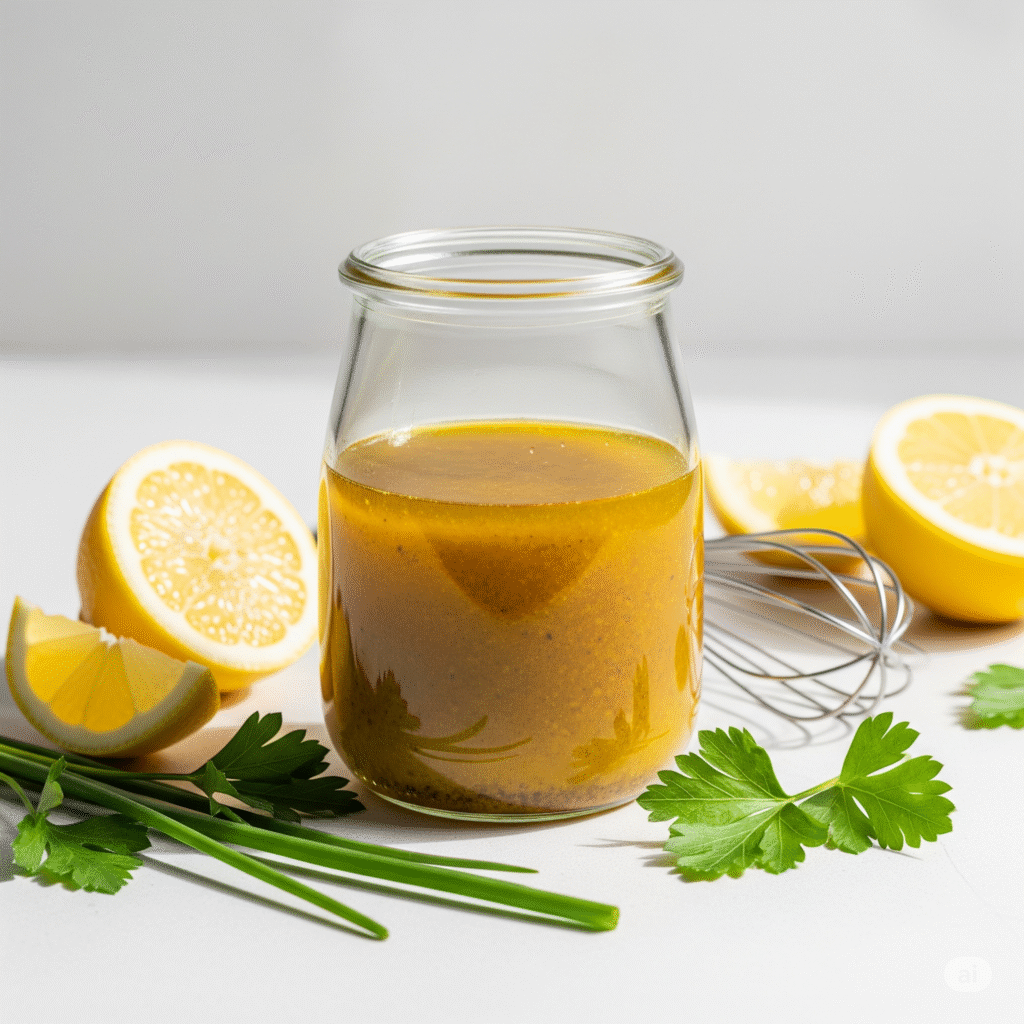
Lemon-Herb Vinaigrette – Fresh Dressing Without the Junk
The Herb Situation: What to Use and Why
Not all herbs are created equal—some are delicate, others are bossy. Here’s a quick breakdown.
🌿 Best Fresh Herbs for Vinaigrette: clean eating dressing
- Basil – sweet, soft, slightly peppery
- Parsley – fresh and grassy, good with everything
- Thyme – earthy and bold (but don’t overdo it)
- Dill – bright and tangy, perfect for summer salads
- Chives – oniony in a polite, non-overbearing way
What to Avoid:
- Mint (unless you really know what you’re doing)
- Sage or rosemary – too woody and intense for this vibe
Feel free to mix and match, but keep it balanced. If your vinaigrette starts tasting like an herb garden exploded, maybe scale it back next time. 😅
Let’s Talk Oil: Which One Should You Use?
🛢️ Go-To Options:
- Extra virgin olive oil – bold, fruity, classic (my go-to)
- Avocado oil – more neutral, great for people who want the herbs to shine
- Grapeseed oil – mild and clean, but kinda boring IMO
Avoid anything with a super strong taste (like sesame oil) unless you’re going for fusion, in which case… carry on, chef.
What to Use It On: Literally Everything
🥗 Salads (Obviously) homemade salad dressing
From leafy greens to grain bowls, this dressing pairs well with:
- Arugula, spinach, kale
- Quinoa, farro, couscous
- Roasted veggie bowls
- Pasta salads (yes, lemon vinaigrette slaps on cold pasta)
🍗 Proteins
Use it as a marinade for:
It adds flavor without overpowering. And let’s be honest, chicken could use a little help most days.
🥖 Bread Dipping Sauce
Take a cue from fancy restaurants. Serve this with crusty bread, maybe some olives and flaky salt. Boom—instant appetizer with zero effort.
Storage Tips (So It Doesn’t Just Die in the Back of the Fridge)
🧊 How to Store:
- Keep it in a sealed jar or container.
- Store in the fridge for up to a week.
- Shake or whisk before each use. The oil separates—totally normal.
Heads-Up:
The olive oil might solidify a bit in the fridge. Just let it sit at room temp for 10 minutes, or hold the jar like a warm coffee cup. Homemade dressing deserves a little love.
Fun Variations to Try (Because You’ll Want to Make This Again)
🍯 Sweet + Spicy:
- Add more honey
- Toss in chili flakes
- Maybe a dash of smoked paprika
🧅 Savory + Umami:
- Add finely grated shallots
- Try a splash of tamari or soy sauce
- Sub half the lemon with rice vinegar
🥒 Creamy Twist:
- Blend in a spoon of Greek yogurt or tahini for a thicker, clingier dressing
🍓 Fruity Version:
- Swap lemon for orange or lime
- Mix in mashed raspberries or strawberries
- Add a touch of balsamic for balance
Basically, once you nail the base, you can riff on this vinaigrette endlessly. And that’s what makes it a fridge staple, not just a one-time thing.
Common Questions You (Might) Be Asking !
Is this vegan ?
Yep—as long as you use maple syrup instead of honey. Totally plant-friendly.
Can I make it in bulk ?
Absolutely. Just scale up the recipe and store in a large mason jar. Make a double batch and thank yourself later.
FAQs:
Q1: Can I use dried herbs instead of fresh ones?
A1: You can, but fresh herbs provide a much brighter, more vibrant flavor in vinaigrettes. If you use dried herbs, use about half the amount (e.g., ½ tablespoon each of dried parsley and dried chives) as their flavor is more concentrated.
Q2: What if my vinaigrette separates in the fridge?
A2: This is completely normal for homemade vinaigrettes! The oil and vinegar will naturally separate when cold. Just give the jar a good shake or whisk it vigorously for a few seconds right before each use, and it will come back together perfectly.
Q3: Can I add a different type of vinegar?
A3: Yes, you can experiment! Apple cider vinegar is another good low-FODMAP option. Just make sure it’s plain vinegar without any high-FODMAP flavorings.
Q4: How long does this vinaigrette last in the refrigerator?
A4: Stored in an airtight container in the refrigerator, this vinaigrette will stay fresh for about 5 to 7 days.
Q5: Is olive oil a good choice for low-FODMAP?
A5: Yes, extra virgin olive oil is an excellent choice for a low-FODMAP diet. It’s a healthy fat and naturally free of FODMAPs, making it a staple for cooking and dressings.
Final Thoughts: Just Make the Dang Dressing
Seriously, once you try this lemon-herb vinaigrette, you’ll wonder how you ever survived on bottled ranch and sad balsamic. It’s:
- Fresh
- Zesty
- Stupid simple
- And straight-up delicious on everything
So squeeze that lemon, chop those herbs, and shake your way to salad greatness. Oh, and maybe keep a second jar handy—your taste buds (and probably your roommate) will demand it. 😉
P.S. Got a fave herb combo or wild vinaigrette twist? Drop it in the comments—I’m always down to nerd out about salad dressing. 🥗✨
Ready to Taste the Brightness?
My dear friend, this Low-FODMAP Lemon-Herb Vinaigrette is truly a testament to how simple and flavorful gut-friendly eating can be. It empowers you to take control of your plate and enjoy every single bite without worry.
I’m so thrilled to be a part of your journey with saltofalchemy.com. Every recipe you share helps someone else on their path to a happier tummy.
What is Whole 30 ?
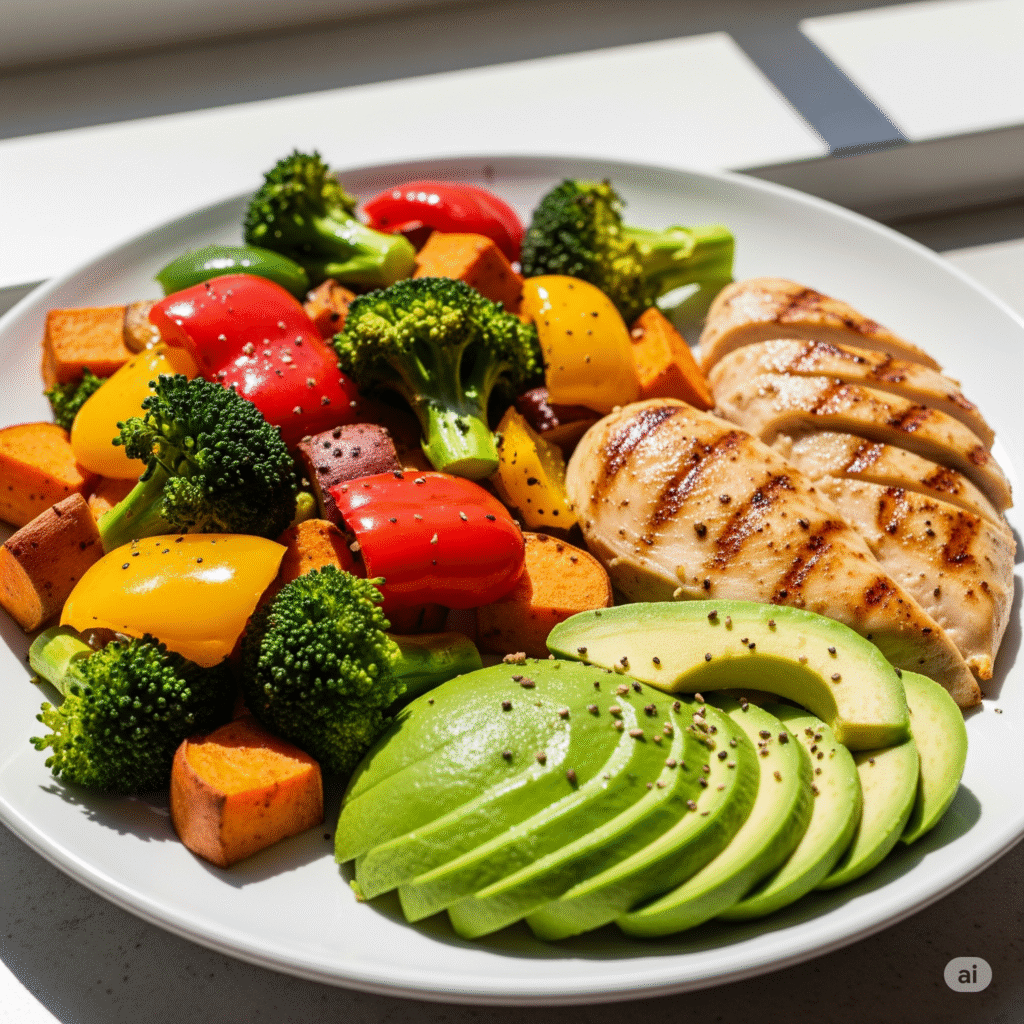
Representing Whole30
A Whole30 salad dressing is a dressing made entirely from ingredients that are compliant with the Whole30 program. This means it must be free from:
- Added Sugars: This is a big one. No honey, maple syrup, agave, cane sugar, or any other form of added sweetener.
- Grains: No ingredients derived from wheat, corn, oats, rice, etc.
- Dairy: No milk, cream, yogurt, cheese (unless specified as a compliant, e.g., in homemade mayo that is Whole30 compliant).
- Legumes: This includes soy (so no soy lecithin in mayo or soy sauce – opt for coconut aminos). Peanuts are also legumes.
- Alcohol: No alcohol, including cooking wines.
- Common Additives: Avoid carrageenan, sulfites (like sulfur dioxide, sodium bisulfate, potassium metabisulfite), and often certain gums or preservatives.
Common Ingredients for Whole 30 Compliant Dressings:
- Oils: High-quality olive oil (extra virgin or light tasting), avocado oil, or limited amounts of sunflower oil.
- Acids: Various vinegars (balsamic, apple cider, red wine, rice vinegar – ensure no added sugar), fresh citrus juices (lemon, lime, orange).
- Emulsifiers: Whole30 compliant mayonnaise (homemade or compliant brands like Primal Kitchen), Dijon mustard (check ingredients for sugar).
- Flavorings: Fresh herbs (dill, parsley, basil, cilantro, oregano, thyme, chives, mint), garlic (fresh or powder), onion powder, sea salt, black pepper, red pepper flakes, ginger.
- Natural Sweeteners (from whole foods): Sometimes a tiny bit of fruit juice (like orange juice) is used, but strictly, no added sugars.
Types of Whole30 Salad Dressings:
You can find or make compliant versions of many popular dressing styles:
- Vinaigrettes: Simple oil and vinegar/citrus-based.
- Lemon-Herb Vinaigrette: Olive oil, lemon juice, various fresh herbs, garlic, salt, pepper.
- Balsamic Vinaigrette: Balsamic vinegar (sugar-free), olive oil, Dijon, garlic.
- Italian Vinaigrette: Olive oil, red wine vinegar, lemon juice, dried Italian herbs (basil, oregano), garlic powder, onion powder, red pepper flakes.
- Greek Vinaigrette: Similar to Italian but often with more oregano, lemon, and sometimes a hint of fresh mint.
- Creamy Dressings: Often made with compliant mayonnaise, avocado, or a dairy-free yogurt (check ingredients carefully).
- Ranch Dressing: Made with compliant mayo, almond or coconut milk, fresh herbs (dill, parsley, chives), garlic powder, onion powder.
- Caesar Dressing: Made with compliant mayo, lemon juice, anchovy paste (optional but classic), garlic, Dijon mustard.
- Creamy Balsamic: Whole30 mayo, balsamic vinegar, olive oil, sometimes coconut aminos for sweetness balance.
- Creamy Herb Dressings: Blending compliant mayo or avocado with various fresh herbs.
Meal Type:
Like any salad dressing, Whole30 compliant dressings are primarily used to enhance:
Not typically: A breakfast item, unless drizzled on a savory breakfast bowl or eggs.
Lunch: Most commonly, for salads, bowls, or as a dip for veggies.
Dinner: As a dressing for dinner salads, a marinade for meats, or a drizzle over roasted vegetables.
Snacks: Can be used as a dip for raw vegetables, compliant chips, or chicken tenders.
Conclusion
This Quick & Healthy Lemon-Herb Vinaigrette is your go-to dressing for just about everything. It’s light, zesty, and fresh — and it pulls double duty as both a salad topper and a marinade. Made in minutes with pantry staples and no weird additives, this vinaigrette checks all the boxes:
vegan, Whole30, gluten-free, and endlessly customizable.
Drizzle it over greens, roasted veggies, or grilled chicken, and you’ve just upgraded your meal without the junk. 🍋🌿

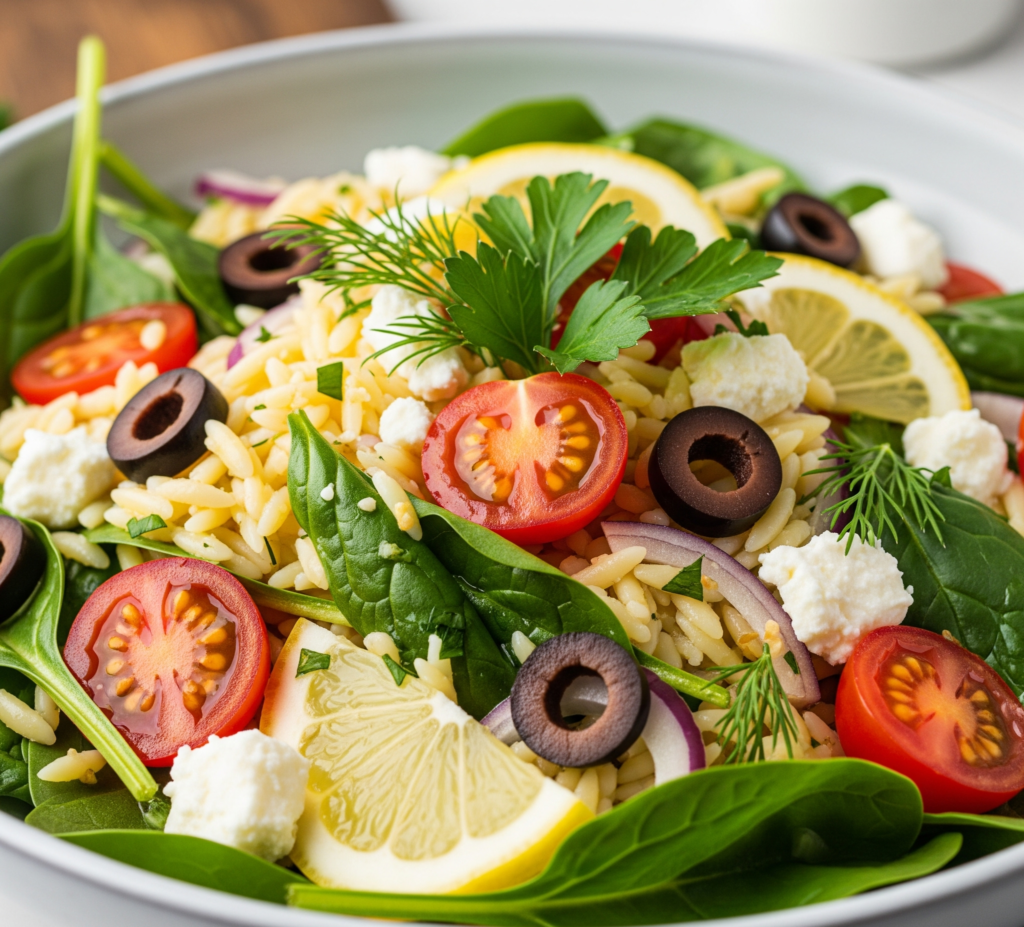
“Easy Air Fryer Chicken Tenders Recipe – Extra Crunchy & Healthy”



Proudly powered by WordPress